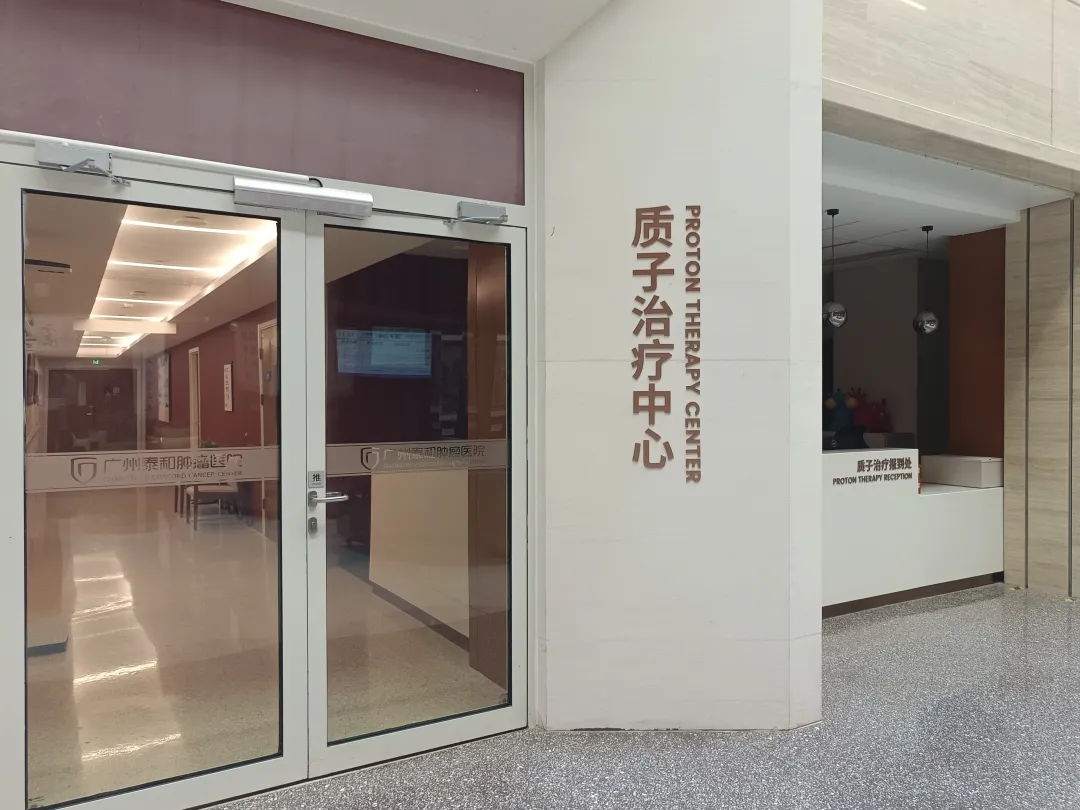
Guangzhou Concord Cancer Center Proton Therapy Center
A Double Diagnosis at Age 60
Mr. C, a 60-year-old man, was looking forward to retirement when his health took a double hit. In April 2025, a routine physical exam revealed a sharp rise in total prostate-specific antigen (TPSA) — more than 10 times the normal upper limit. Further testing confirmed high-risk, locally advanced prostate cancer that had already invaded the seminal vesicles (T3b stage).
For such cases, surgery alone often cannot remove all disease, and recurrence risk is high. The U.S. National Comprehensive Cancer Network (NCCN) guidelines list "external-beam radiotherapy plus long-term androgen deprivation therapy" as one of the highest-level recommendations for T3b+ prostate cancer.
Because the prostate sits tightly against the bladder, small intestine, and rectum, conventional photon radiotherapy easily damages these normal organs. This can cause radiation enteritis, diarrhea, bloody stools, or blood in urine — side effects that severely affect quality of life. Proton therapy, by contrast, uses the Bragg peak effect to release most of its energy precisely at the tumor and stop, sparing surrounding healthy tissue.
Seeking this advanced option, Mr. C came to Guangzhou Concord Cancer Center. During full staging, another unexpected finding emerged: a second primary tumor in the rectosigmoid junction.
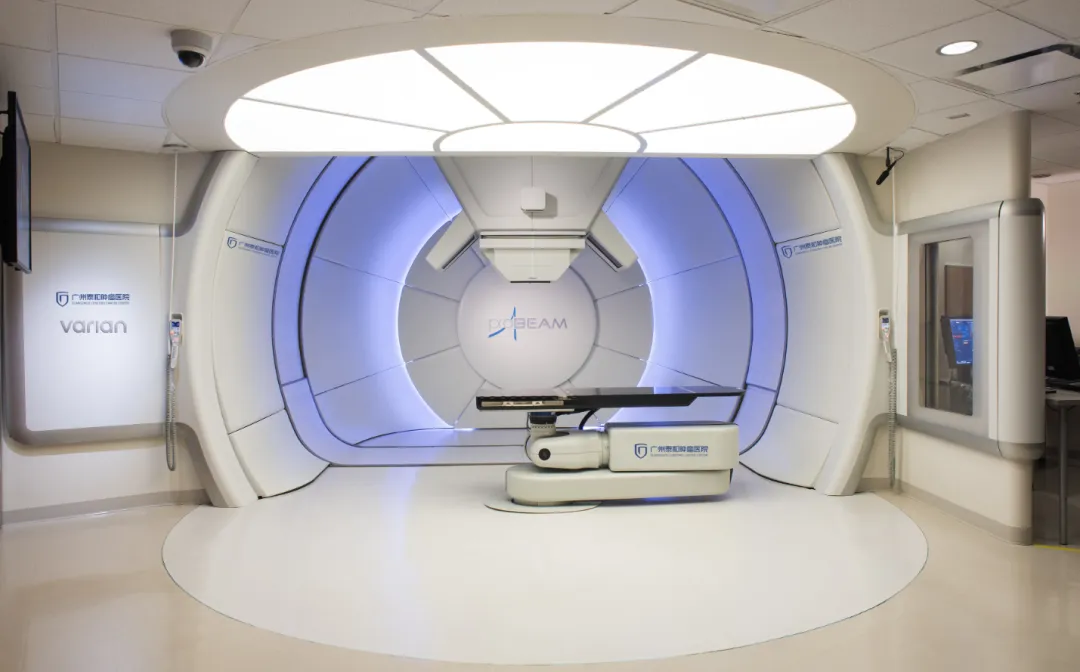
GCCC is equipped with four proton therapy rooms and the world-leading Varian ProBeam system
One Integrated Plan for Two Cancers
Facing two primary cancers in the same pelvic region, the GCCC multidisciplinary team (MDT) moved beyond the traditional "one cancer, one treatment" mindset. The team included specialists from radiation oncology, surgical oncology, medical oncology, diagnostic imaging, and endoscopy. Together they designed a synchronized, "different diseases, same plan" approach: proton therapy plus concurrent chemotherapy to cover both tumors.
Key elements of the plan:
- Prostate cancer: Definitive proton radiotherapy to the prostate and seminal vesicles, combined with long-term endocrine therapy.
- Rectosigmoid cancer: The same proton beam fields covered the rectosigmoid tumor and its regional lymphatic drainage, while concurrent chemotherapy was given to shrink the tumor, reduce its stage, and increase the chance of complete surgical removal later.
"For complex cases like this, the core is a holistic strategy rather than simply stacking treatments together," explained Dr. Luo Yingshan, a young radiation oncologist at GCCC. "Proton therapy can precisely cover multiple targets while better protecting the shared organs at risk. That is the key support for achieving cure and preserving quality of life."
28 Proton Sessions, Then Surgery
As the first proton therapy center in clinical operation in South China, Guangzhou Concord Cancer Center follows the radiation therapy standards and guidelines of MD Anderson Cancer Center. The facility is equipped with the world-leading Varian ProBeam proton therapy system, and the clinical team has accumulated thousands of proton therapy cases.
Mr. C completed 28 proton therapy sessions at GCCC in August 2025, followed by chemotherapy. Three months later, imaging showed the prostate tumor had no active signs. Endoscopy also showed no obvious mass at the rectosigmoid junction, though surgery was still needed to confirm the final result.
After a second MDT review, the team decided the patient was ready for surgery. In November 2025, Dr. Xie Xiaoming, Deputy Chief Surgeon, led the team in performing a laparoscopic-assisted radical resection of rectosigmoid cancer. The surgery went smoothly, with intraoperative blood loss of less than 10 mL. Postoperative recovery was smooth.
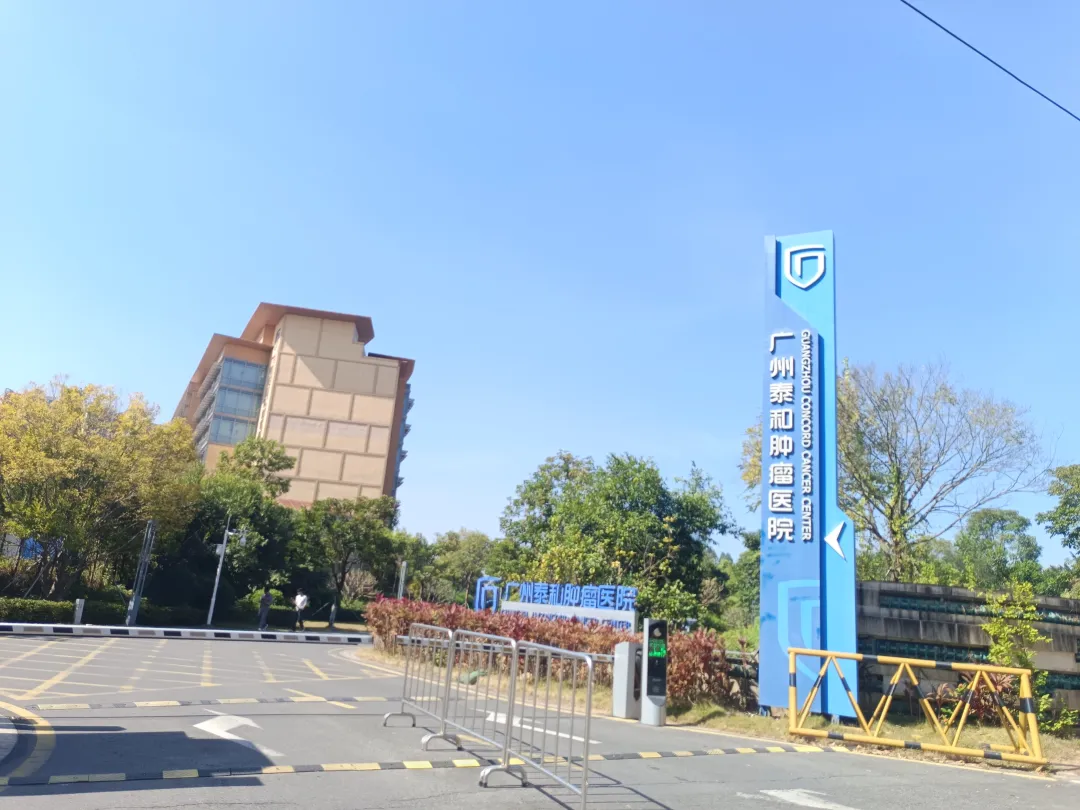
Guangzhou Concord Cancer Center — South China's first clinical proton therapy center
Pathologic Complete Response: The Best Possible Outcome
Postoperative pathology confirmed that Mr. C had reached pathologic complete response (pCR) — no viable cancer cells were found in the removed tissue.
"pCR is equivalent to clinical cure, and it is the ideal goal of neoadjuvant or conversion therapy," said Dr. Xie Xiaoming. "This means the patient's risk of recurrence is already very low, and long-term prognosis is excellent. It also suggests that the integrated proton-therapy-centered treatment model has broad clinical potential for similar cases."
Today, Mr. C is recovering well and gradually returning to normal life. His case demonstrates that even when two primary cancers occur close together in the pelvis, a personalized, multidisciplinary treatment plan built on proton therapy can control or cure both diseases while preserving the patient's quality of life.
Why This Matters
Dual primary cancers are rare and challenging. When both tumors sit in the same body region, treatment planning must protect the same healthy organs while attacking two different cancers. Proton therapy's physical dose advantage — the Bragg peak — makes it especially valuable because it can:
- Reduce radiation to nearby organs by up to 80%
- Lower risks of urinary, bowel, and sexual dysfunction
- Cover multiple targets in a single, precise treatment plan
- Support combined-modality therapy with chemotherapy and surgery
Expert Team
This case was reviewed by the Guangzhou Concord Cancer Center multidisciplinary team. Lead contributors included:
- Dr. Xie Xiaoming, Deputy Chief Surgeon, Department of Surgery
- Dr. Luo Yingshan, Radiation Oncology
Editorial support: China Anti-Cancer Association Clinical Oncology Training Base, Cancer Prevention & Screening Training Base, and Clinical Research Translation Base.
Could proton therapy be right for your case?
GCCC's multidisciplinary team reviews complex cancer cases from around the world. Send your medical reports for a second opinion.
Request a Consultation