"Eating well" may sound simple, yet during cancer treatment it is one of the most decisive factors in withstanding the disease and tolerating therapy. Many patients and families fall into misconceptions such as over-restricting the diet or trying to "starve the tumour" — approaches that not only fail to help, but actually slow treatment down. In reality, scientific enteral nutrition support is far more valuable than blind dietary restriction. This article walks through what cancer patients need to know — its importance, who needs it, how to supplement, and the common myths to avoid.
01 Why Cancer Patients Need Enteral Nutrition Most
Cancer itself is a high-consumption disease that drains the body's nutritional reserves. At the same time, treatments such as surgery, chemotherapy and radiotherapy can damage the gastrointestinal mucosa, causing loss of appetite, nausea, vomiting and diarrhoea. When intake stays insufficient over a long period, the direct consequences are weight loss, muscle wasting and a weakened immune system — and in severe cases treatment may even have to be interrupted.
Enteral nutrition — delivered orally or by tube — directly addresses this dilemma. The balanced nutrients it provides are absorbed through the gut, which is how the body is designed to work. It helps maintain the gut barrier, strengthen immunity and reduce treatment-related side effects. Multiple studies have confirmed that it can help extend survival.
02 Who Needs Enteral Nutrition Support
Not every cancer patient needs specialised enteral nutrition, but the following groups should pay close attention and seek support when needed:
1. Patients with gastrointestinal tumours (stomach, colorectal, oesophageal cancer, etc.) — the tumour itself and surgery significantly affect digestion and absorption, so nutritional support is essential during recovery and throughout chemotherapy and radiotherapy.
2. Those with severe gastro-intestinal reactions to chemo/radiotherapy — persistent nausea, vomiting or diarrhoea for more than one week, or inability to eat normally.
3. Those with significant weight loss — more than 5% of body weight lost within 1–2 months, or obvious wasting and growing fatigue.
4. Advanced-cancer patients — prone to cancer cachexia; enteral nutrition can slow disease progression and ease suffering.
5. Those with dysphagia — head and neck tumours, oesophageal cancer and similar conditions that make normal swallowing impossible; nutrition must then be delivered by tube.
03 How to Supplement: Balanced and Individualised
The core principle of nutritional supplementation is: comprehensive, balanced, digestible, high-energy and high-protein. It should be adjusted to the patient's treatment phase and physical condition, tailored to individual needs.
Choosing the right nutrients: focus on "energy + protein + immune nutrients"
A cancer patient's nutritional needs exceed those of a healthy person. Prioritise the following:
Energy: 25–35 kcal per kg of body weight per day, favouring easily digested carbohydrates such as rice, millet porridge and lotus-root starch.
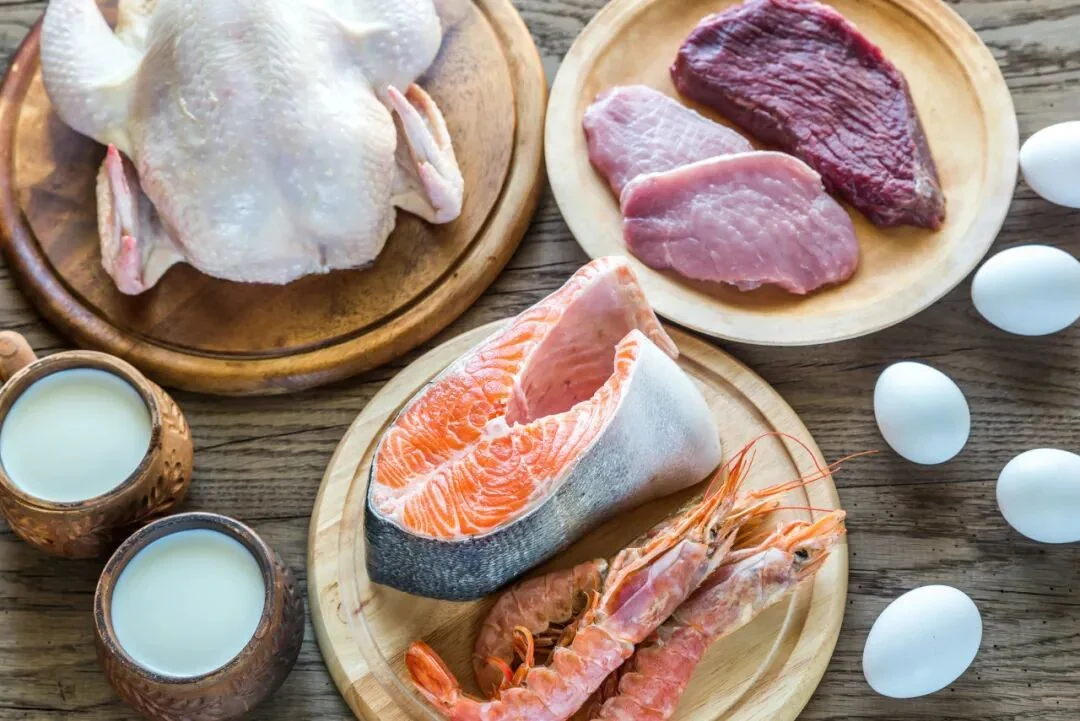
Protein: 1.2–1.5 g per kg of body weight per day, favouring high-quality protein from eggs, milk, fish and shrimp. Patients with weaker digestion can choose protein powder or steamed egg custard for easier absorption.
Immune nutrients: glutamine helps protect the intestinal mucosa; omega-3 fatty acids reduce inflammation and improve appetite. Supplement under a doctor's guidance.
Vitamins and minerals: eat more fresh, easily digested vegetables and fruit to supply vitamins and trace elements such as iron and zinc, avoiding nutritional imbalance.
Tumour-specific plans (gastrointestinal tumours & lung cancer)
Different tumour types affect the body differently, so nutrition plans need targeted adjustment.
Gastrointestinal tumours (stomach, colorectal, oesophageal cancer) directly damage the intestinal mucosa and often cause bloating and diarrhoea after surgery; some patients also need an ostomy. The nutritional principle is gentle, digestible, low-irritation and low-residue, with liquid and semi-liquid foods in small, frequent meals. After surgery, avoid gas-producing foods; ostomy patients should limit high-fibre intake, and during diarrhoea reduce vegetables and fruit while increasing fluids.
Lung cancer is highly catabolic: patients tend to cough and feel chest tightness, and often experience nausea and swallowing pain after chemo/radiotherapy, sometimes with anaemia. The principle is high-energy, high-protein, lung-moistening and digestible, avoiding spicy, overly sweet or salty foods. Add honey and red dates for tonification; choose eggs and lean meat (blended if swallowing hurts); eat tremella and steamed pear to moisten the lungs; anaemia patients should increase iron-rich foods; advanced cases benefit from small, frequent meals to avoid chest tightness after large ones.
Route of feeding: oral first, tube when needed
Enteral nutrition follows the rule "use the mouth if possible, the tube only if necessary."
1. Oral nutrition suits patients with normal swallowing and good gut function — 5–6 small meals a day, mainly easily digested foods.
2. Tube feeding suits those who cannot swallow or have severe treatment reactions. Keep the formula at about 37°C, increase the infusion rate gradually, and flush the tube with warm water afterwards to prevent blockage.
Nutrition by treatment stage
Cancer treatment is dynamic, so nutritional needs shift by stage:
Before surgery — a high-energy, high-protein, digestible diet with appropriate vitamins builds up strength for the operation.
After surgery — progress gradually from liquid to semi-liquid to a normal diet; limit excess protein and fat early on to support wound healing.
During chemotherapy / radiotherapy — light, digestible, small frequent meals; avoid greasy and spicy foods; pair anti-emetic medication with small amounts of liquid nutrition when nausea is severe.
Recovery — a balanced diet with quality protein and plenty of vegetables and fruit; no smoking, alcohol or overeating; moderate exercise aids rehabilitation.
04 Common Misconceptions to Avoid
In clinical practice, the following misconceptions should be corrected promptly so they do not undermine treatment:
Myth 1 — "Starve the tumour" by dieting. The tumour keeps consuming nutrients; dieting only weakens the patient's own immunity and accelerates decline. Adequate nutrition must be guaranteed.
Myth 2 — Excessive food restriction. Apart from confirmed allergies, there is no need for extreme restriction; high-quality protein should still be prioritised and the diet kept varied.
Myth 3 — Using supplements to replace real food. Supplements are only an add-on and cannot replace staple foods, vegetables and fruit; they should be used under professional guidance.
Myth 4 — Overeating. A cancer patient's digestion is fragile; overeating adds burden. Eat small, frequent meals to the point of comfort.
Myth 5 — Ignoring tube feeding. When the patient cannot eat by mouth, tube feeding is a key way to maintain nutrition. Once adapted it does not disrupt daily life; follow the doctor's advice and start it in time.
05 Summary: Nutrition Support Is the "Invisible Helper" of Cancer Treatment
Scientific enteral nutrition is an indispensable part of integrated cancer care. It replenishes energy, strengthens immunity and eases treatment side effects, helping patients complete treatment smoothly. It is worth emphasising that every enteral nutrition plan should be individualised and developed under the guidance of a doctor or clinical pharmacist. Families, too, should pay attention to the patient's eating and emotional state, encourage eating, and support recovery together.
Written by the Department of Pharmacy, Guangzhou Concord Cancer Center. Medically reviewed by the Medical Affairs Department.