Treating a solid tumour in a child is not only about achieving clinical cure. It is also about protecting the child's long-term, healthy, high-quality growth.
Children's bodies are still developing, and their tissues and organs are more sensitive to radiation than those of adults. That raises the bar for precision, safety and the overall treatment experience. It also explains why paediatric tumours often respond well to radiotherapy: when the plan is scientifically sound and precisely delivered, children can achieve high cure rates and long-term survival — and return to normal life and healthy growth.
Why Proton Therapy Suits Children Better
Among radiotherapy techniques, proton therapy is one of the most advantageous options for paediatric solid tumours. Its physical Bragg peak allows the proton beam to focus precisely on the tumour, killing cancer cells effectively while substantially reducing the dose delivered to normal tissue around the tumour — minimising the side effects associated with conventional photon radiotherapy.
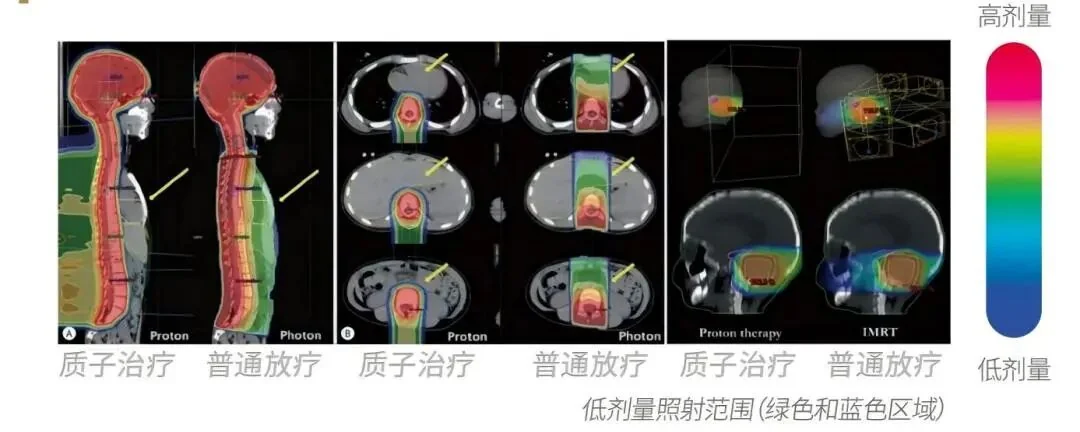
For children who may live for decades after treatment, this advantage matters enormously. Conventional radiotherapy can cause long-term sequelae such as restricted growth, organ damage, effects on intellectual development and secondary tumours. Proton therapy reduces radiation damage at its source and greatly lowers the risk of late complications — so that after beating cancer, a child can grow, learn and live normally. In short: cure without hidden costs, and growth without compromise.
The Hidden Challenge: Keeping a Young Child Perfectly Still
High-precision proton therapy depends on the child's cooperation. Children under five, in particular, often cannot hold a fixed position for long. To preserve the accuracy of every session and avoid position shifts that could cause treatment error or damage normal tissue, comfortable sedation and anesthesia become an essential safeguard for proton therapy in young children.
A Dedicated Paediatric Anesthesia Pathway
Guangzhou Concord Cancer Center has built a dedicated, high-level comfortable anesthesia system for children, designed to match the clinical demands of precision proton therapy. The paediatric anesthesia team is experienced and uses a distinctive approach that lets a child fall asleep immediately before treatment and wake quickly afterwards — a "seconds to sleep, seconds to wake" state. The child spends only a short period under stable anesthesia, remains quiet and pain-free throughout, and can be gently awakened as soon as treatment ends — with no fear and no crying, replacing the tension and distress of conventional paediatric radiotherapy.
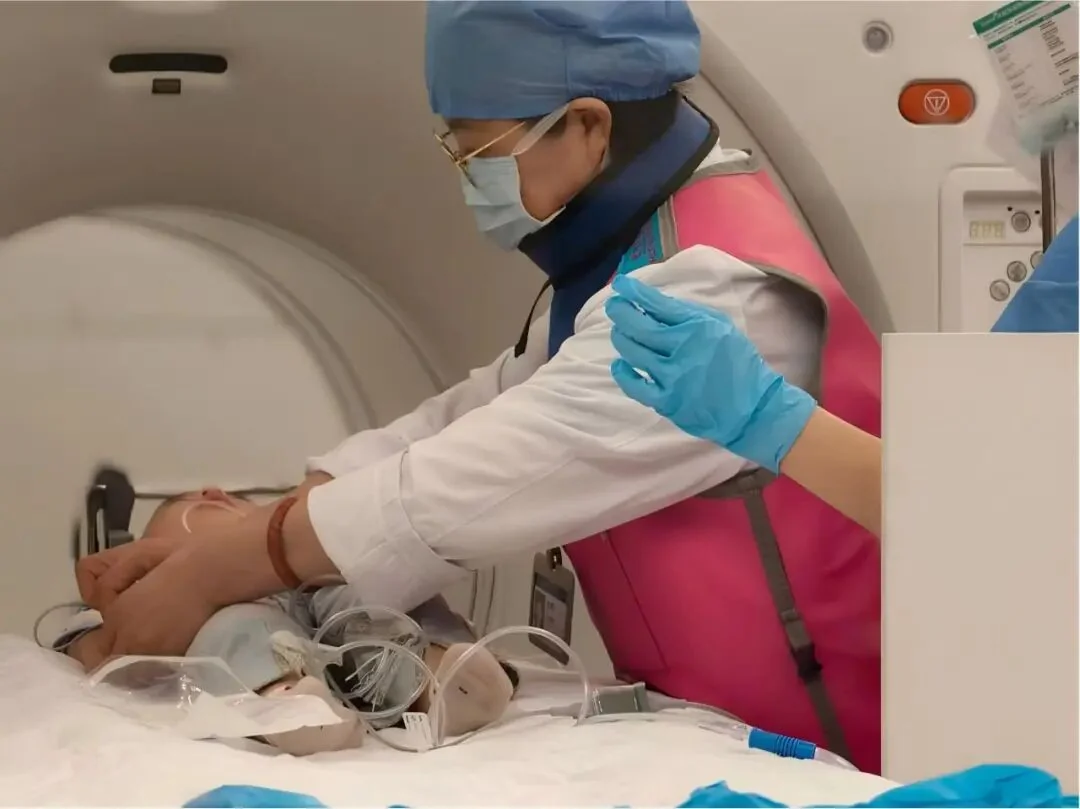
Just as important is safety. Throughout anesthesia, the team maintains stable blood supply to the brain, effectively avoiding the risk of anesthesia-related brain injury. While ensuring the child stays still for treatment, the approach protects brain development and neurological health — delivering precise treatment, safe support and uncompromised growth.
Two Pillars of Protection
Precision proton therapy, paired with a safe and comfortable paediatric anesthesia system, gives Guangzhou Concord Cancer Center a dual safeguard for paediatric solid tumours. Rather than a one-size-fits-all model, the hospital follows a refined, individualised approach: the treatment plan is tailored to each child's age, weight, tumour type and stage of growth and development, balancing efficacy, safety and the treatment experience.
Today, more and more children with solid tumours travel from across China to receive proton therapy at Guangzhou Concord Cancer Center. Advanced precision radiotherapy, safe and comfortable anesthesia, and a refined, humane model of care together form a health barrier around every child fighting cancer — so that they can beat the tumour efficiently and grow up carefree, with a full and bright future.
Written by Zhang Xin. Reviewed by Li Yalan and Qian Chaonan, Guangzhou Concord Cancer Center.