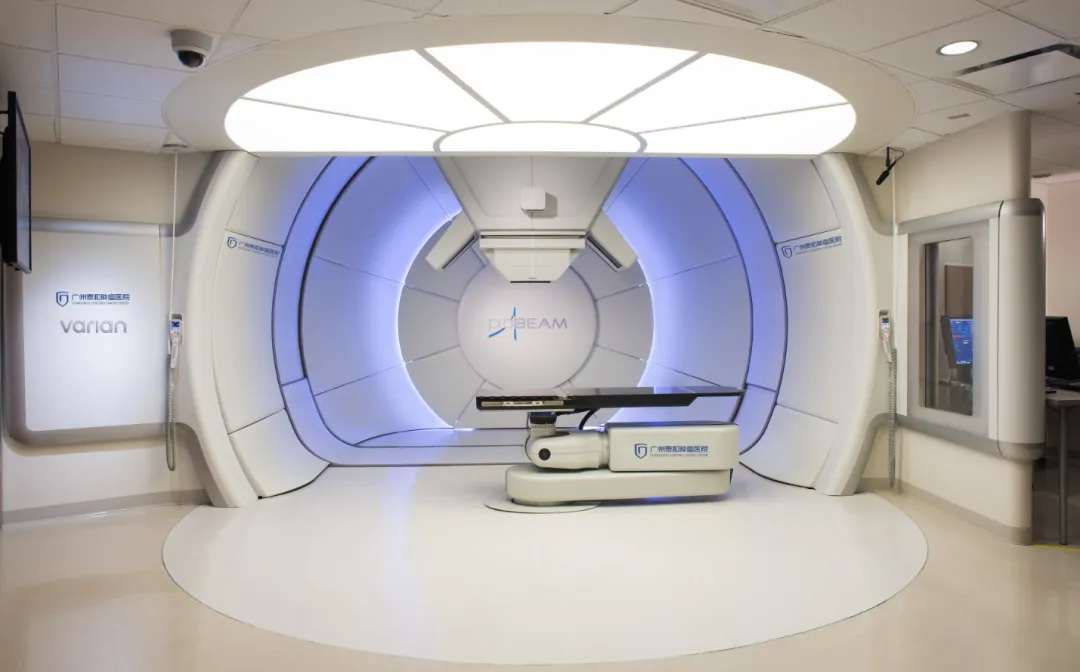
As radiotherapy technology continues to advance, proton beam therapy (PBT) is increasingly used in the treatment of central nervous system (CNS) tumours. A large-scale real-world study published in BMC Cancer, covering more than 160,000 patients, reached a clear conclusion: compared with conventional photon radiotherapy, proton therapy significantly improves overall survival in patients with CNS tumours, with substantial benefits for both adults and children.
Based on the US National Cancer Database (NCDB), this is the most comprehensive analysis to date of the relationship between proton therapy and survival in CNS tumour patients. It is the first to include adults and children together while accounting for multiple factors such as surgery and tumour type.
01 A Striking Jump: Median Survival from About 2 Years to Over 10
The study analysed 162,506 patients who received radiotherapy for CNS tumours between 2004 and 2022; 5,548 of them received proton therapy.
The results showed that proton therapy delivered the following:
Half the patients survived beyond 10 years. Median overall survival (OS) in the proton group reached 125.6 months (about 10.5 years), compared with just 25.0 months (about 2.1 years) in the photon group — a striking difference.
Adult survival increased nearly 4.5-fold. In adults, median OS was 111.7 months (about 9.3 years) with proton therapy versus 24.8 months (about 2.1 years) with photons.
Five-year survival in children rose by 68%. The proton group achieved a 5-year survival rate of 76%, significantly higher than the 45% seen with photons.
After excluding multiple confounding factors, proton therapy remained a key reason patients lived longer, reducing the risk of death by 33% (hazard ratio, HR: 0.67).
02 Survival Benefit Regardless of Surgery
The study confirmed that proton therapy significantly improved survival compared with conventional photon radiotherapy, whether or not patients had undergone surgery: the risk of death fell by 24% in the surgical group and by 39% in the non-surgical group.
By tumour type, proton therapy extended survival in three categories: astrocytoma, glioblastoma and other rare tumour types.
03 Why Proton Therapy Delivers Better Results with Less Harm
Conventional photon radiotherapy is like a "downpour": as it passes through the body to destroy the tumour, it inevitably damages healthy brain tissue along the way, potentially causing long-term cognitive decline and endocrine disorders.
Proton therapy is more like a "precision marksman." Its unique Bragg Peak physical property allows radiation energy to be released at the depth of the tumour target and then to fall off rapidly, with the following advantages:
Lower radiation dose to normal tissue in front of the tumour; almost no effect on healthy tissue behind it; and maximum protection of key brain functional areas while killing tumour cells more effectively.
This brings important clinical value to patients with CNS tumours: significantly longer survival and new hope for long-term disease control; a major reduction in late toxicity, including radiation brain necrosis, cognitive decline, pituitary damage and hearing loss, preserving quality of life after treatment; and a lower risk of secondary tumours, especially important for patients whose survival is expected to lengthen.
For children with CNS tumours, the advantages are even more pronounced. The precise targeting of proton therapy protects the developing brain, spine and vital organs, reducing long-term effects on intellectual development, growth and endocrine function. It is widely regarded as the "gold standard" of radiotherapy for paediatric CNS tumours.
04 From "Premium Option" to "Better Standard"
Despite growing clinical evidence, access to proton therapy remains a global challenge. The study notes that only about 1% of patients suitable for radiotherapy currently receive proton therapy. In the United States, use rose from under 1% in 2004 to 12.3% in 2022, while the number of proton centres grew from two in 2010 to 41 in 2022 — a clear upward trend.
As new technologies such as pencil-beam scanning, proton arc therapy and FLASH ultra-high-dose-rate radiotherapy mature and spread, treatment will become more precise and faster with fewer side effects. Proton therapy is accelerating from a "premium option" toward becoming the "better standard choice" for more patients with CNS tumours.
Source: Amin S, Amin P, Lin C. Proton beam radiation therapy and the overall survival of adult and pediatric patients diagnosed with central nervous system tumors. BMC Cancer. 2025 Jul 18;25(1):1187.